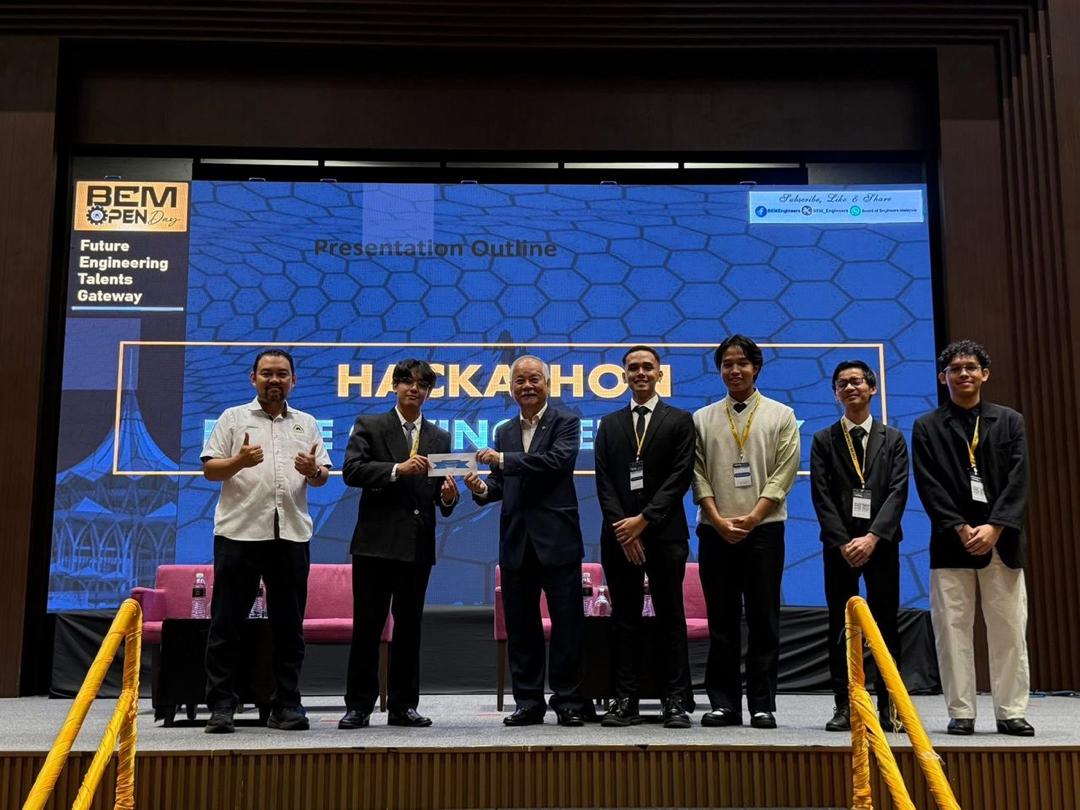
What is it?
An AI-powered hospital assistant that optimizes patient intake from both ends. Patients get an active triage platform before they arrive; doctors get real-time clinical summaries and automated documentation tools. Designed for the BEM Open Day Hackathon targeting Sarawak General Hospital's intake bottlenecks.
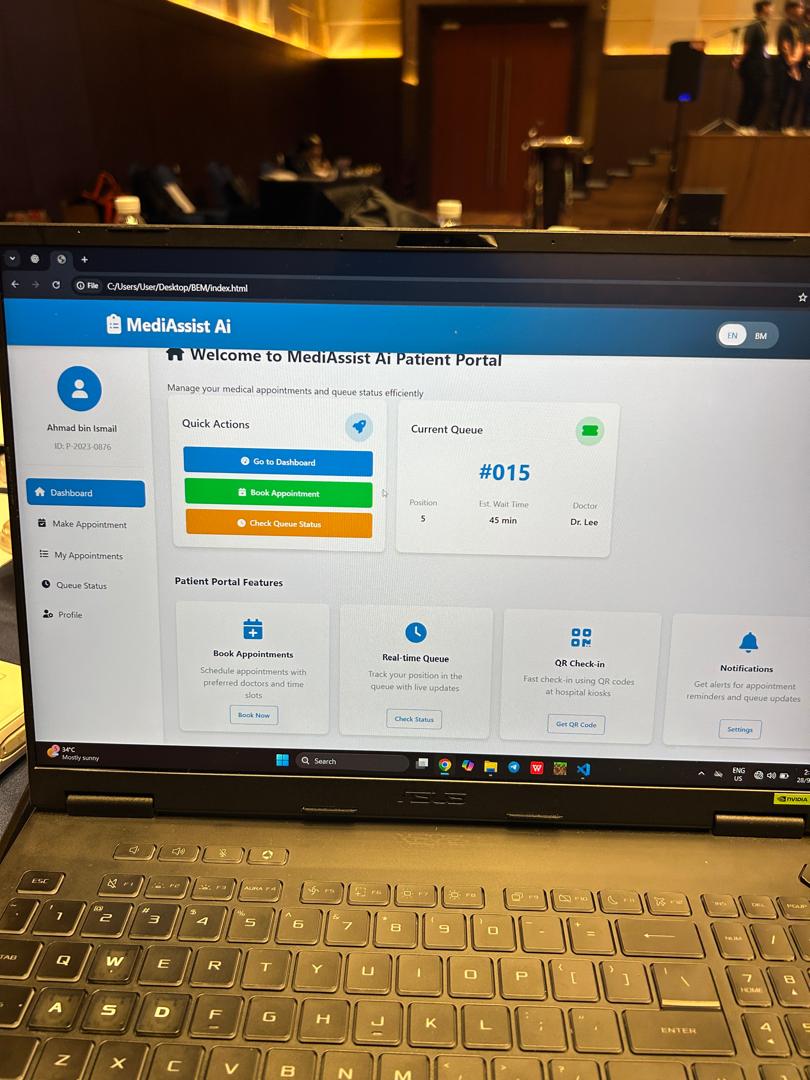
What needed solving?
Regional public healthcare facilities in Sarawak consistently struggle with extreme patient congestion, overwhelming administrative form-filling burdens, and critical data overloads for medical staff. Conventional medical systems treat symptom tracking, queue booking, and clinical documentation as separate, isolated tasks, causing massive front-desk intake bottlenecks, high administrative burnout, and lengthy wait times before a patient even sees a physician.
No single system addressed intake triage, queue prediction, and clinical documentation in a unified pipeline.
How it was built
How we solved it
The Smart AI Scan Triage Engine evaluates symptoms and groups cases into Urgent, Regular, or Follow-up tracks before the patient enters the clinic. The Predictive Virtual Receptionist uses historical wait-list data to calculate queue lengths and alert patients when to arrive, flattening front-desk load by 30 to 50%. Automated Smart Documentation uses NLP to auto-populate clinical charts, insurance claim fields, and identity forms, eliminating paper-based intake entirely.
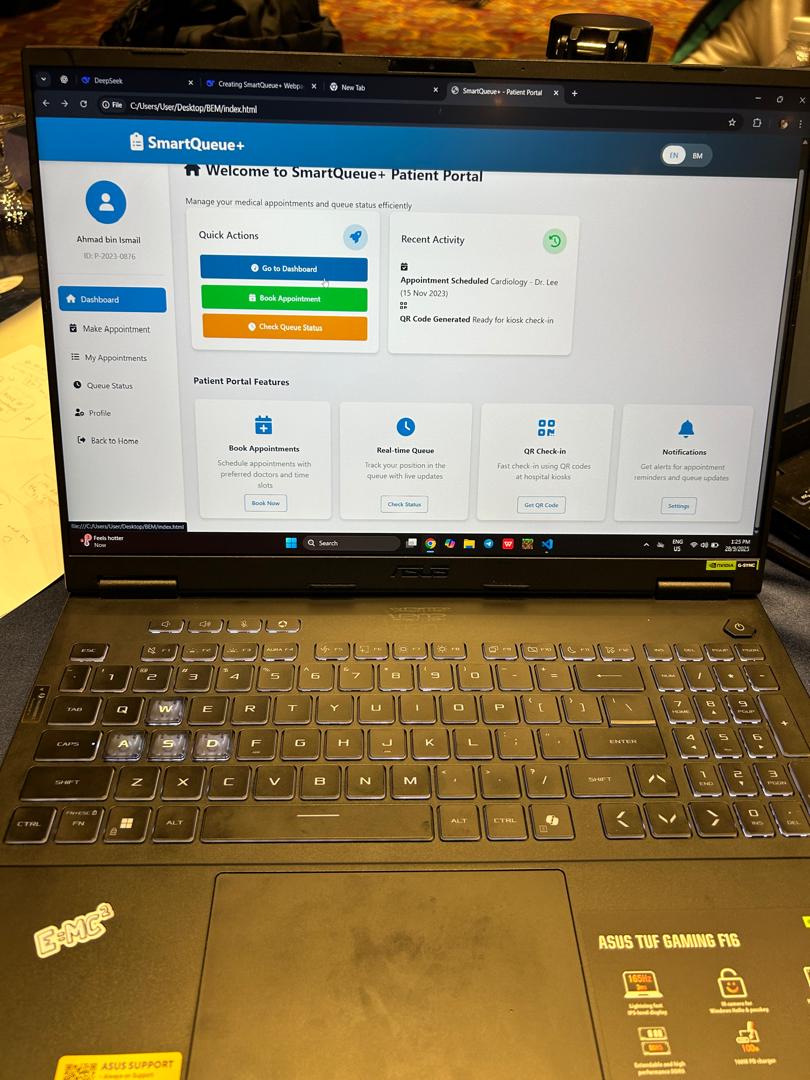
Build & demo
Why these technologies?
| Technology | Why we chose it | Role in system |
|---|---|---|
| Computer Vision / AI Scan | Multi-modal symptom classification that runs without cloud inference dependency, ensuring low-latency triage even on hospital-grade edge hardware. | Triage engine |
| NLP | Extracts structured data from natural-language patient descriptions to auto-populate complex clinical forms without manual transcription. | Document automation |
| Predictive Analytics | Trains on historical clinic queue data to forecast wait times with enough accuracy to alert patients when to arrive, reducing peak congestion. | Queue prediction |
| REST APIs + JSON | Secure, encrypted structured payloads bridge the system to MySejahtera and existing hospital IT networks without breaking patient data privacy protocols. | System integration |
Key metrics
What we achieved
Pre-clinic triage engine classifies Urgent, Regular, and Follow-up cases before patients arrive
Predictive queue model cuts peak front-desk congestion and receptionist workloads by 30 to 50%
Automated form generation removes paper-based intake and drops documentation time by 30 to 40%
Integration framework designed to bridge MySejahtera and hospital IT via encrypted REST APIs
Year 1 pilot deployment blueprint delivered for Sarawak General Hospital with KKM as key stakeholder